
Module 03: Unlearned Adaptive Behaviors
Module 03: Unlearned Adaptive Behaviors
 Description: I promised that the word adaptation would be a prominent part of this course. It is the overarching theme of the module. Animals around the planet face problems, how are they going to solve these problems? For many phylogenetically lower animals, the answer is instinctive behavioral mechanisms.
Why This Module Is Important: Understanding innate behaviors helps you design interventions that work with biology rather than against it:
- Clinical/Counseling: Distinguish automatic stress responses (fight-or-flight) from learned anxiety patterns; recognize when biological constraints limit behavior change
- Behavioral Therapy: Understand biological preparedness in phobia development (why snake phobias are common but car phobias are rare despite greater danger)
- Traffic/Safety Psychology: Design roads & warning systems that work with natural orienting reflexes & attention mechanisms
- Animal Training: Recognize instinctive drift—when animals revert to species-typical behaviors despite reinforcement
- Developmental Psychology: Identify which infant behaviors are reflexive versus learned; understand critical periods for development
Recognizing the boundary between innate & learned behaviors ensures you create realistic, biologically-informed interventions.
Module Learning Objectives: By the end of this module students will be able to…
- MLO1: Remember information related to reflexive & instinctive behavior. (CLO1, ULO3)
- MLO2: Justify opinions about learning phenomena. (CLO2, ULO1)
- MLO3: Illustrate the connections between motivation & learning. (CLO3, ULO3)
Test Yourself: If you truly “know” this material then you will be able to…
- Apply knowledge of innate behaviors to predict when learning interventions might face biological constraints. (MLO1)
- Evaluate evidence for biological preparedness in phobia acquisition versus general learning principles. (MLO2)
- Analyze how hunger & thirst drive learning differently across species & situations. (MLO3)
Media Attributions
- Professor Learnwell © Microsoft Copilot adapted by Jay Brown is licensed under a CC0 (Creative Commons Zero) license
- The Hungry Lion Throws Itself on the Antelope © Henri Rousseau is licensed under a Public Domain license
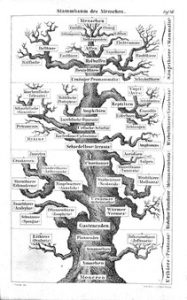
- Entwicklungsgeschichte des Menschen © Ernst Haekel is licensed under a Public Domain license

